Quick facts about the trip
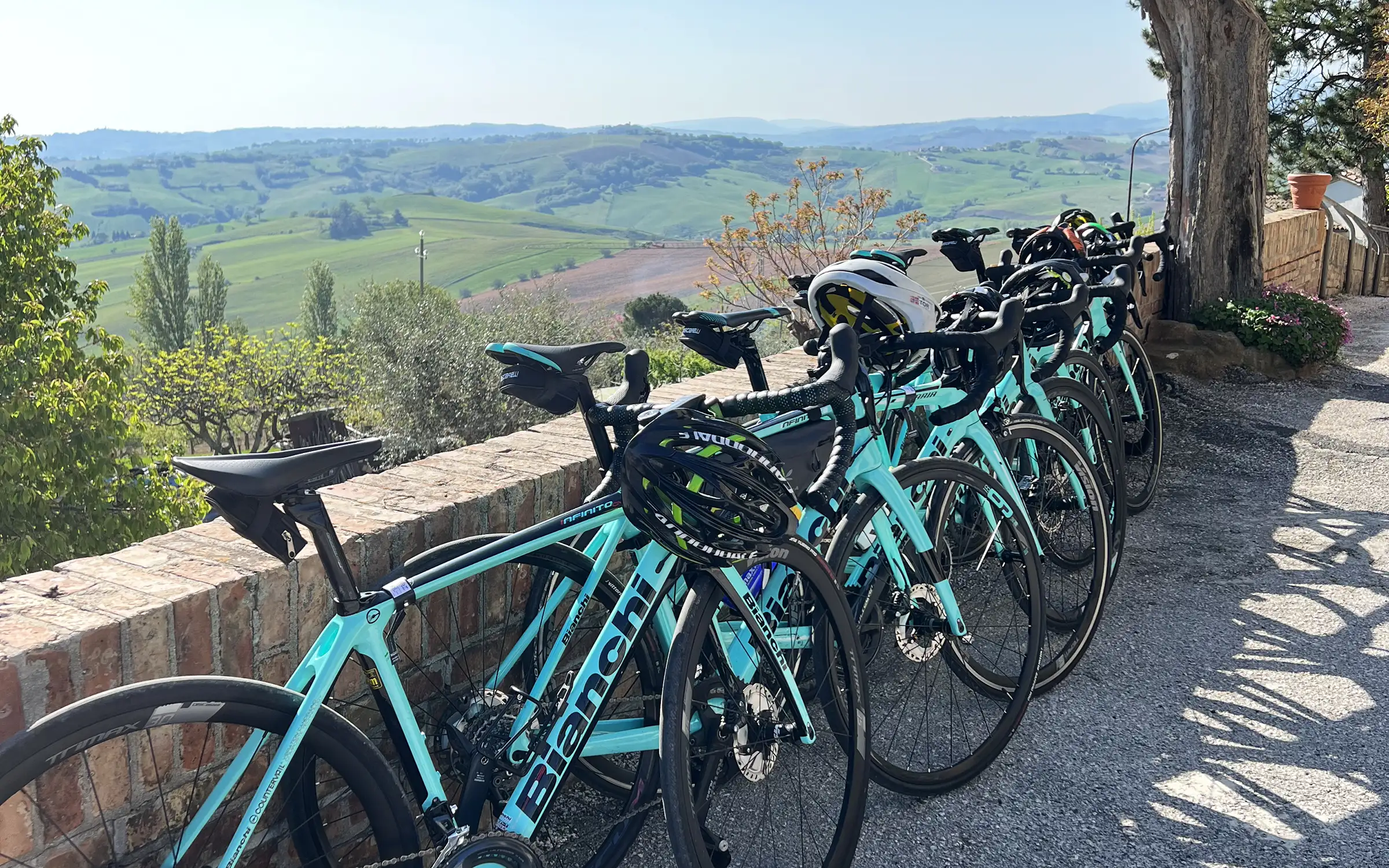
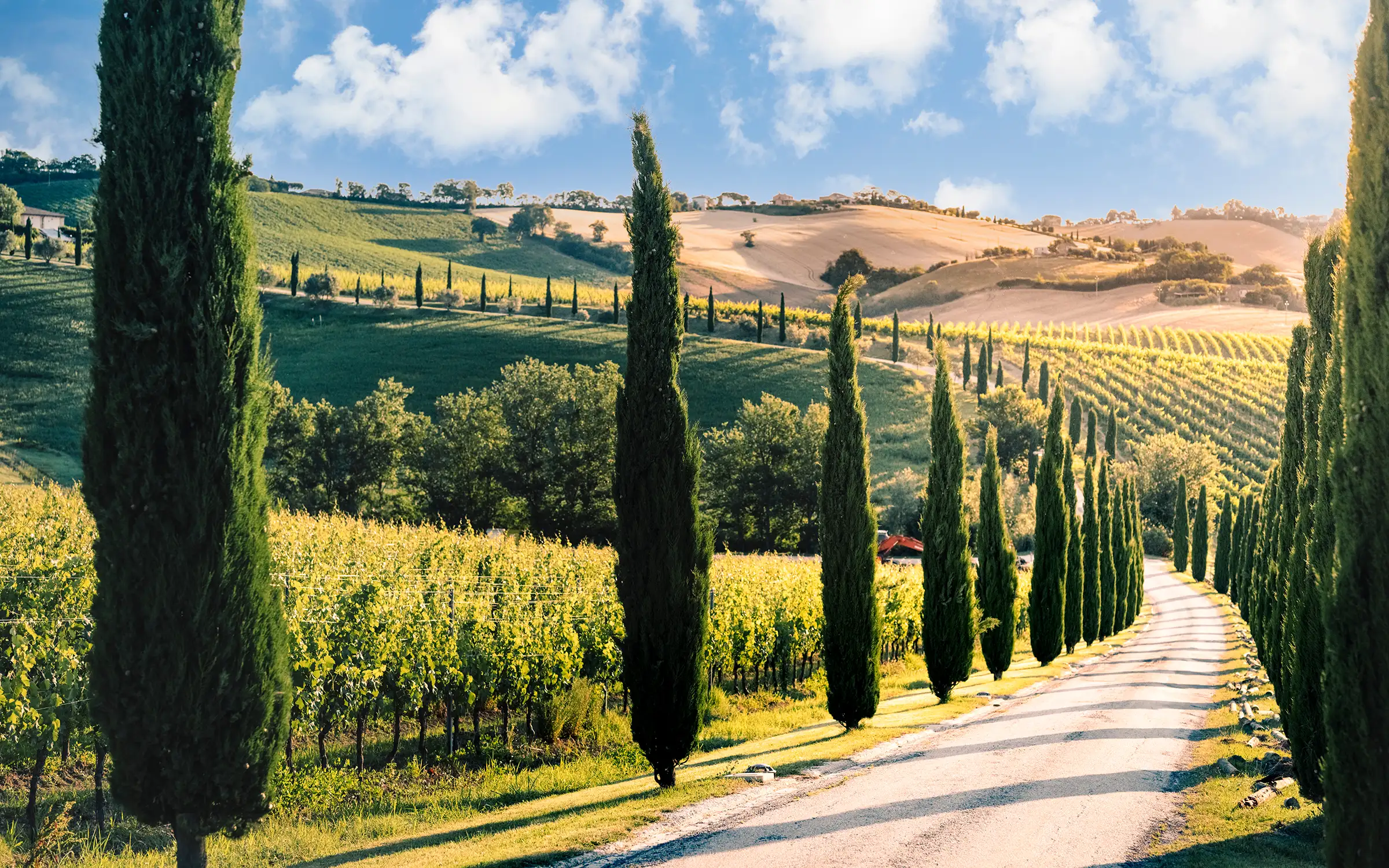
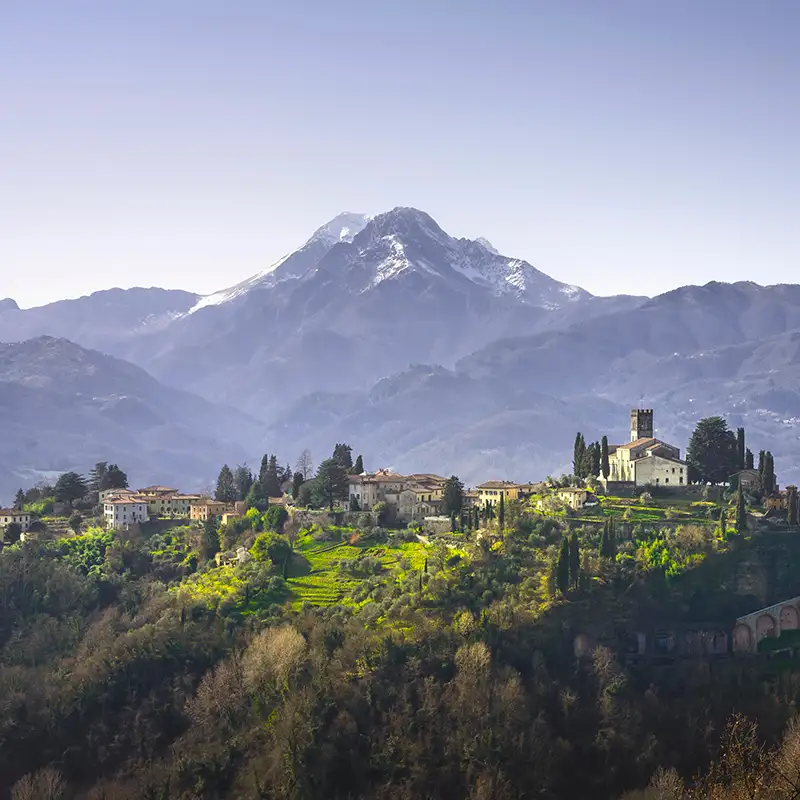
Cycling in San Marino and further into the Marche region offers varied terrain. We cycle on carefully selected routes that run through a hilly landscape, but without any long climbs or difficult descents. In other words, the stages are perfectly suited for a great cycling experience that everyone can join. As always, there will be pleasant coffee and lunch stops at local restaurants along the way.
All luggage is transported between the hotels, but we do NOT have a support vehicle on this trip.
We cycle in a group. The stages are between approx. 55 – 90 km and with approx. 500 – 1500 meters of elevation gain.
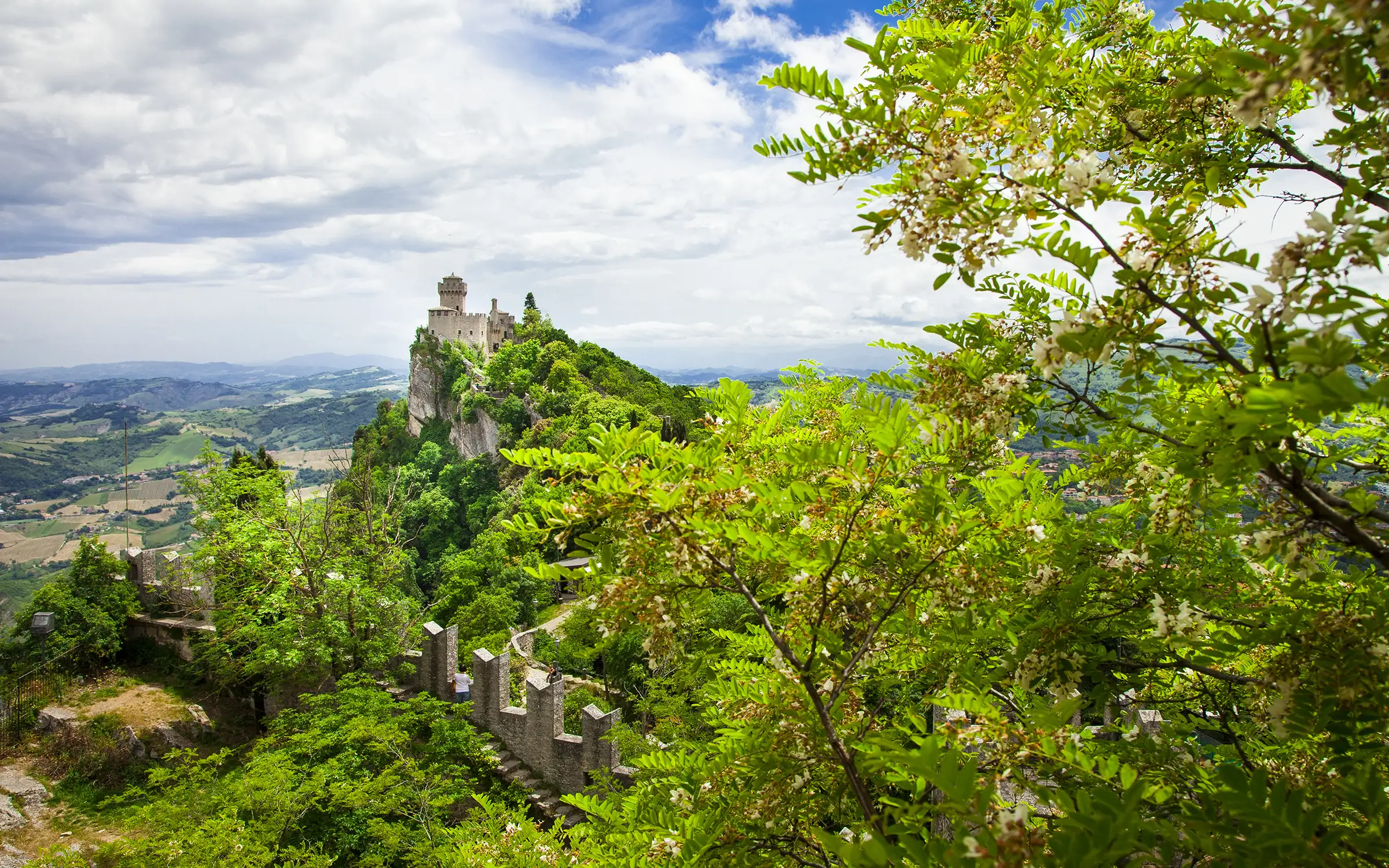
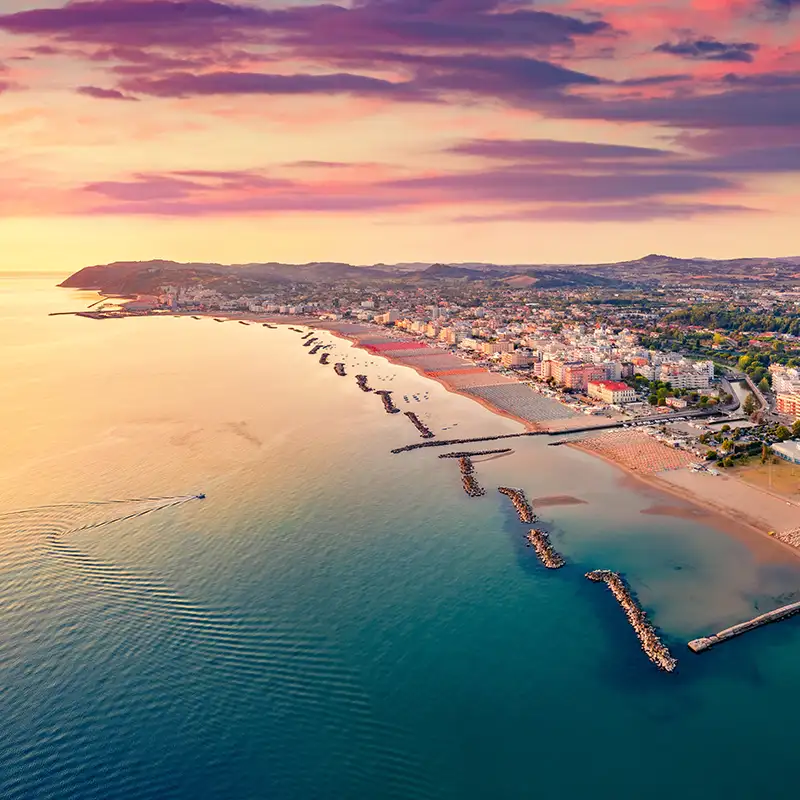
We are – as always – going off the beaten track to experience the countryside, this time in the Italian region of Marche and in San Marino, the world's oldest republic.
Opportunity to rent an e-bike
Even though the landscape is hilly, you don't need to be in peak physical condition to participate – but a little preparation is important. The trip has no long "mountain climbs", but you must expect some ups and downs.
If you want to adjust how demanding the bike rides should be, you can choose to rent an e-road bike or an e-trekking bike. A great option to enjoy the trip to the fullest without it being too demanding.
On the other hand, if you like hilly terrain and have some cycling experience, a standard road bike is a good choice. It will undoubtedly be a great experience regardless!
Facts about San Marino
• Official name: Republic of San Marino (Repubblica di San Marino)
• Founded: Traditionally in the year 301 AD, considered the world's oldest republic.
• Area: Approx. 61 km² – one of Europe's smallest states.
• Population: Approximately 34,000
• Location: Landlocked state completely surrounded by Italy, between the regions of Emilia-Romagna and Marche.
• Capital: The City of San Marino, on the slopes of Monte Titano (749 m above sea level).
• Language: Italian (official), local Sammarinese dialect also occurs.
• Government: Parliamentary republic; the republic's institutions have roots dating back to the Middle Ages.
• Economy & tourism: Largely based on tourism, banking, and local production; the country uses the euro as currency, even though it is not an EU member.